Media/Opinion pieces

EU and Belarus: What’s going on?

The last few days have been marked by constant images of the migration crisis unfolding on the border between Poland and Belarus. This ‘hybrid attack’, as European Institutions have dubbed it, comes in the context of a troubled period of relations between Belarus and the European Union, which has been deteriorating since the last presidential elections, in August 2020.

Europe’s strategic autonomy : that obscure object of desire

Words are not sufficient. For too long, the EU has satisfied itself with a diplomacy of words, often moralistic and idealistic, but powerless in front of chaos and atrocities, as we saw in Yugoslavia and in many subsequent instances, with consequences, which Europe is the first to suffer from. The reason is that Member States, rather than integrating defence into a democratic construction where they would have a say, prefer to accept the humiliation and subservience that
are the price to pay for American protection. Doing so, not only do the Union and its Member States earn the contempt of other powers, but they also lose the respect of their own citizens.
The citizens of Europe are tired of the strategic babble of their leaders and the alphabet soup of acronyms they have been throwing around over the years under the pretence of building a “Europe of Defence”. They should stop talking and start acting. If they truly mean it, they should lose no time in creating the much-touted “European Defence Union”, another word for the “common defence” heralded in 1992 in the Maastricht treaty, for which Europe has been waiting for too long. Only then will they finally conquer the strategic autonomy they confusedly aspire to.
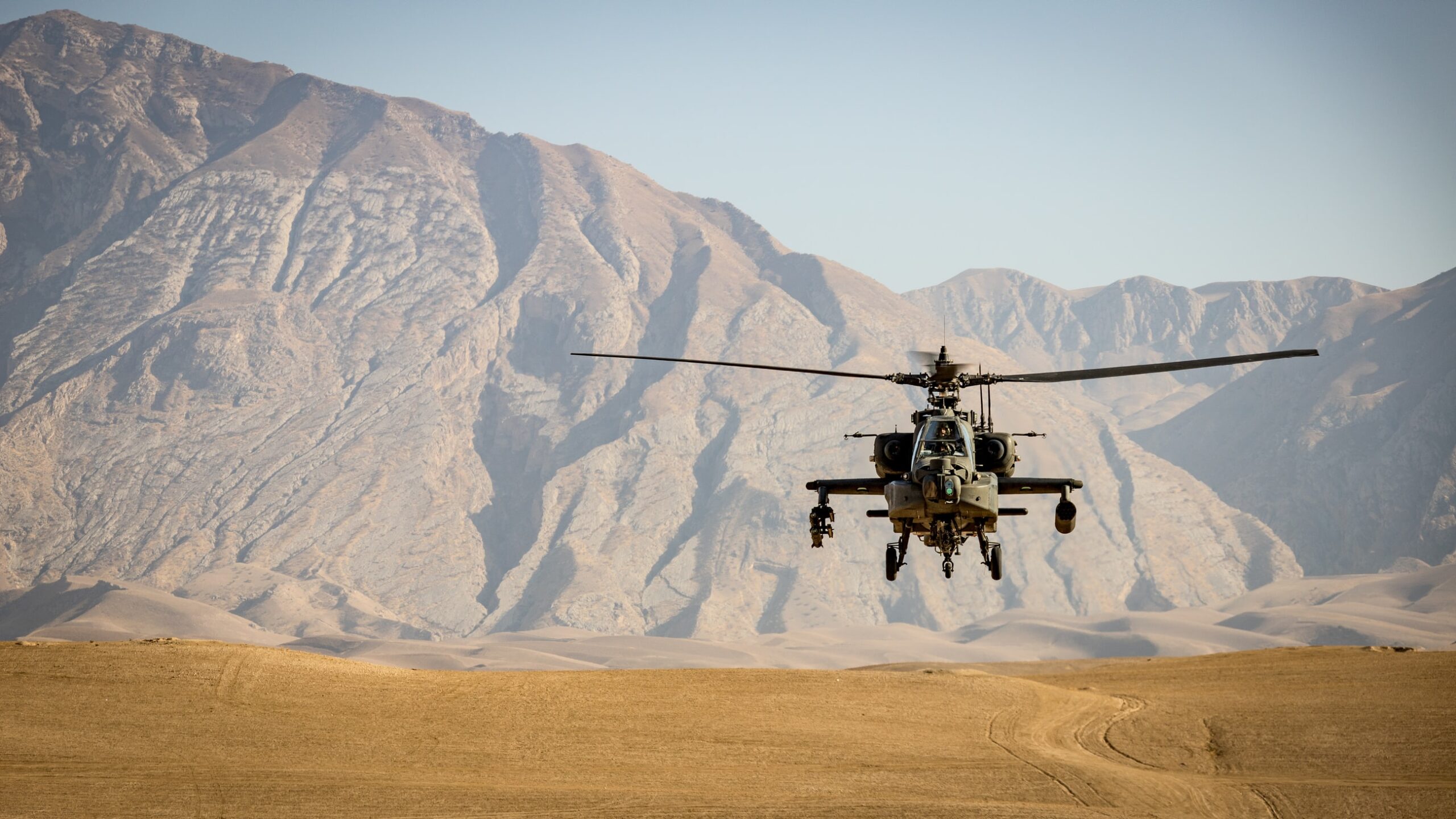
Afghanistan: Can history tell us what to do? No, but history can certainly tell us what not to do!

The West, and in particular the USA, has a long history of often violent and usually unsuccessful attempts at regime changes. After the Cold War the US-neo-conservative global strategy was based on US supremacy and exceptionalism and its goal was global control. The act of terrorism of 9/11 was a consequence of the role of the USA in the Middle East; blind support for the State of Israel, the first Gulf war, activating Muslim activists to get the Russians out of Afghanistan and support for dictatorial regimes.

The need for transatlantic solidarity in the face of today’s security challenges

The transatlantic has once again become a critical foundation for securing democracy and freedom in Europe. This time around, the threats are more diverse and ambiguous than the Soviet tanks of the past generation. Our adversaries, primarily Russia and increasingly China, continue their attempts at subverting democratic institutions and societies. Their toolkit ranges from now-familiar disinformation campaigns to cyber attacks, from political warfare to corruption, as they use economic leverage, energy dependence, and critical infrastructure vulnerabilities to coerce, bribe, or corrupt business and political elites.

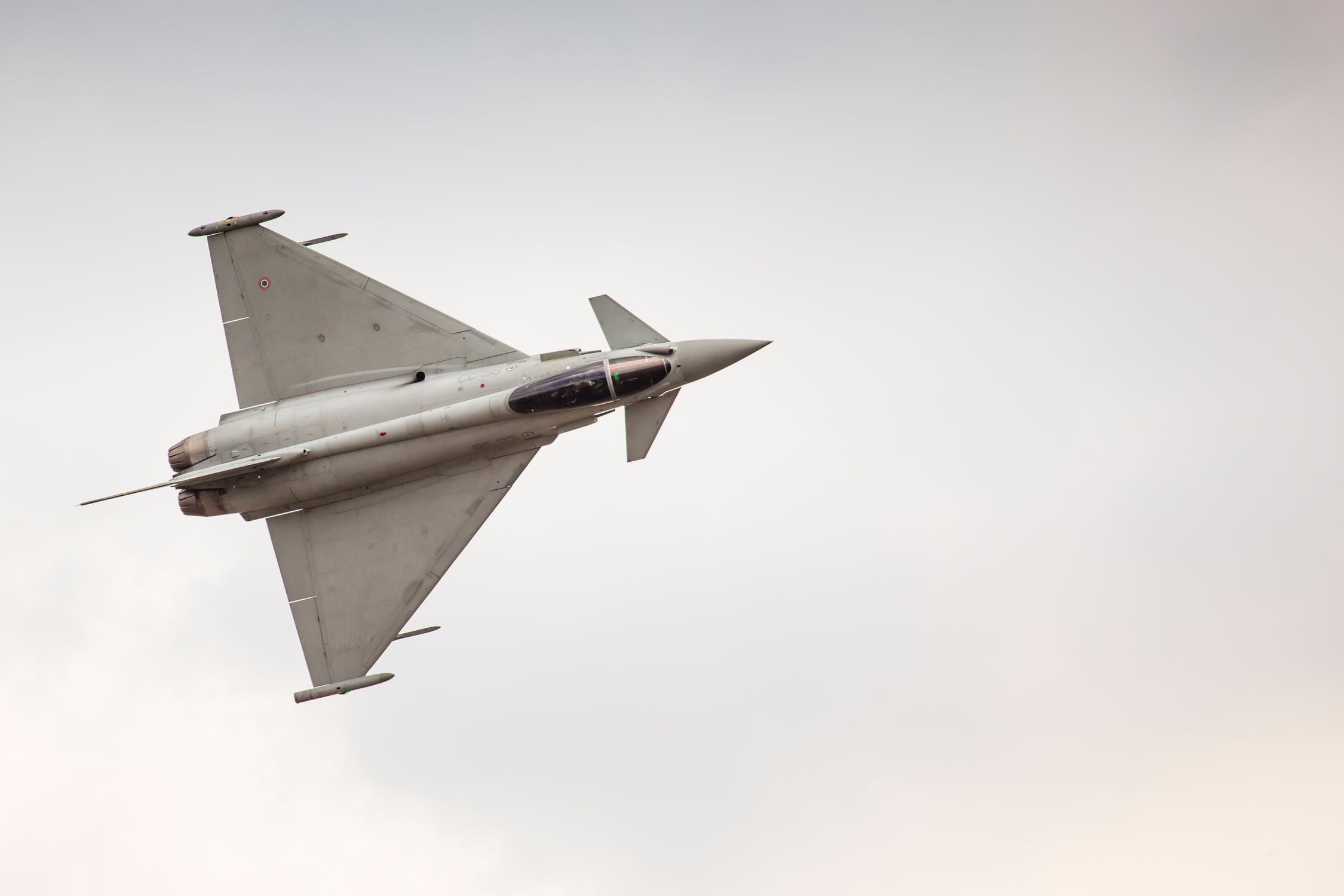
The Future European Air Combat System: Reality or Fiction? The need for cooperation. The challenge of a technology leap in the dark

Following Macron’s speech at the Sorbonne in September 2017, announcing a strong push for the future of the Europe of Defence, a new Franco-German dynamic, which was later joined by Italy and Spain, has been pursuing, progressively and more rapidly, greater integration of European security and defence. The key to this initiative has been placed on the principle of cross-border defence cooperation in the development of priority military capabilities, which fulfill the main gaps in the defence sector, and in reducing the fragmentation of the current supply and demand dimensions, to ensure economies of scale, as well as to strengthening the competitiveness, innovation and efficiency of the European defence technological and industrial base.