
Newsletter of Eurodéfense-France (Jul. 2018)
Eurodéfense-France publishes quarterly newsletters in French and in English.
Eurodéfense-France publishes quarterly newsletters in French and in English.
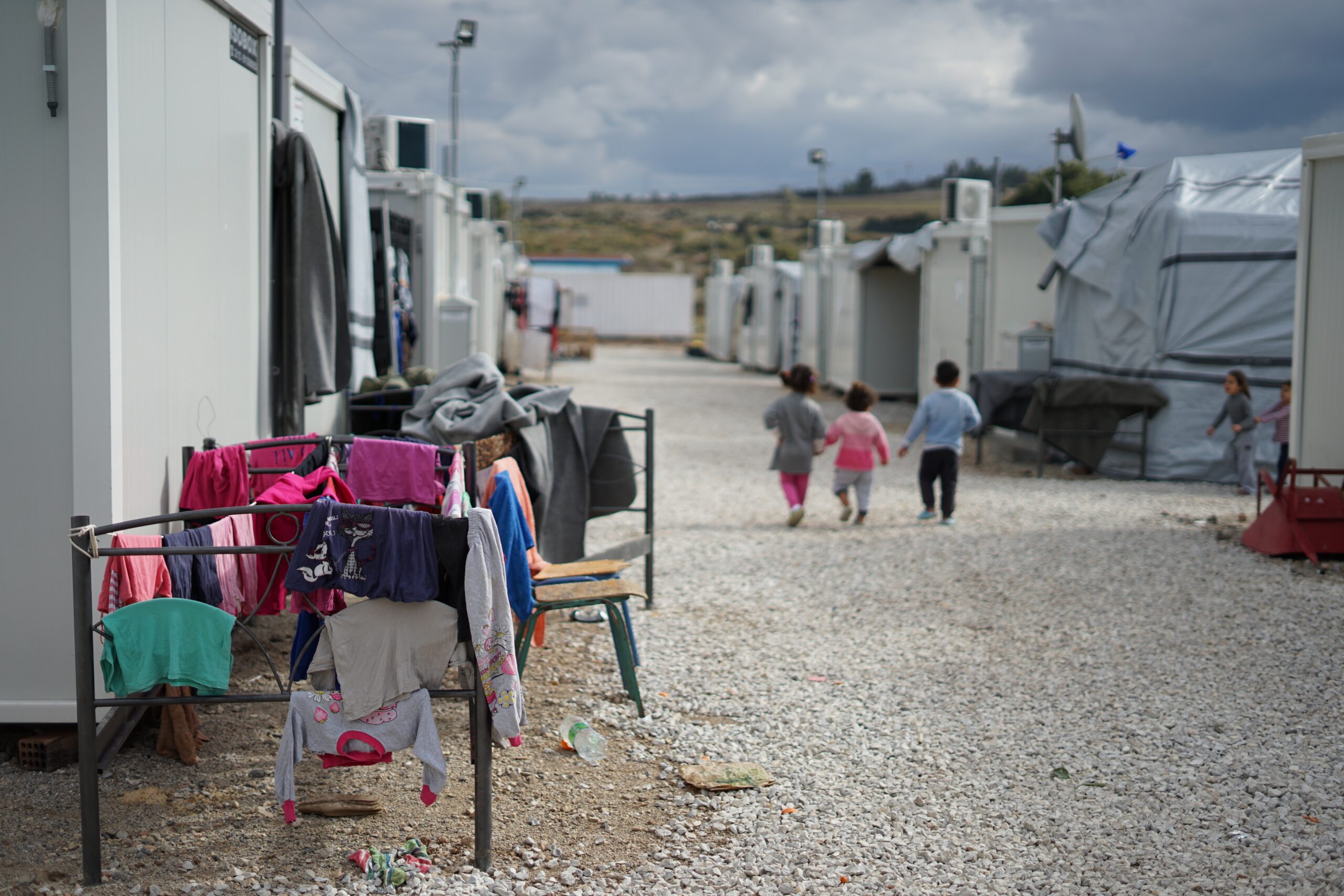
Eurodefense is looking into the European refugee policy, developing some ideas and
views to steer and to monitor the situation for the sake of the security of all parties involved.
Eurodéfense-France publishes quarterly newsletters in French and in English.
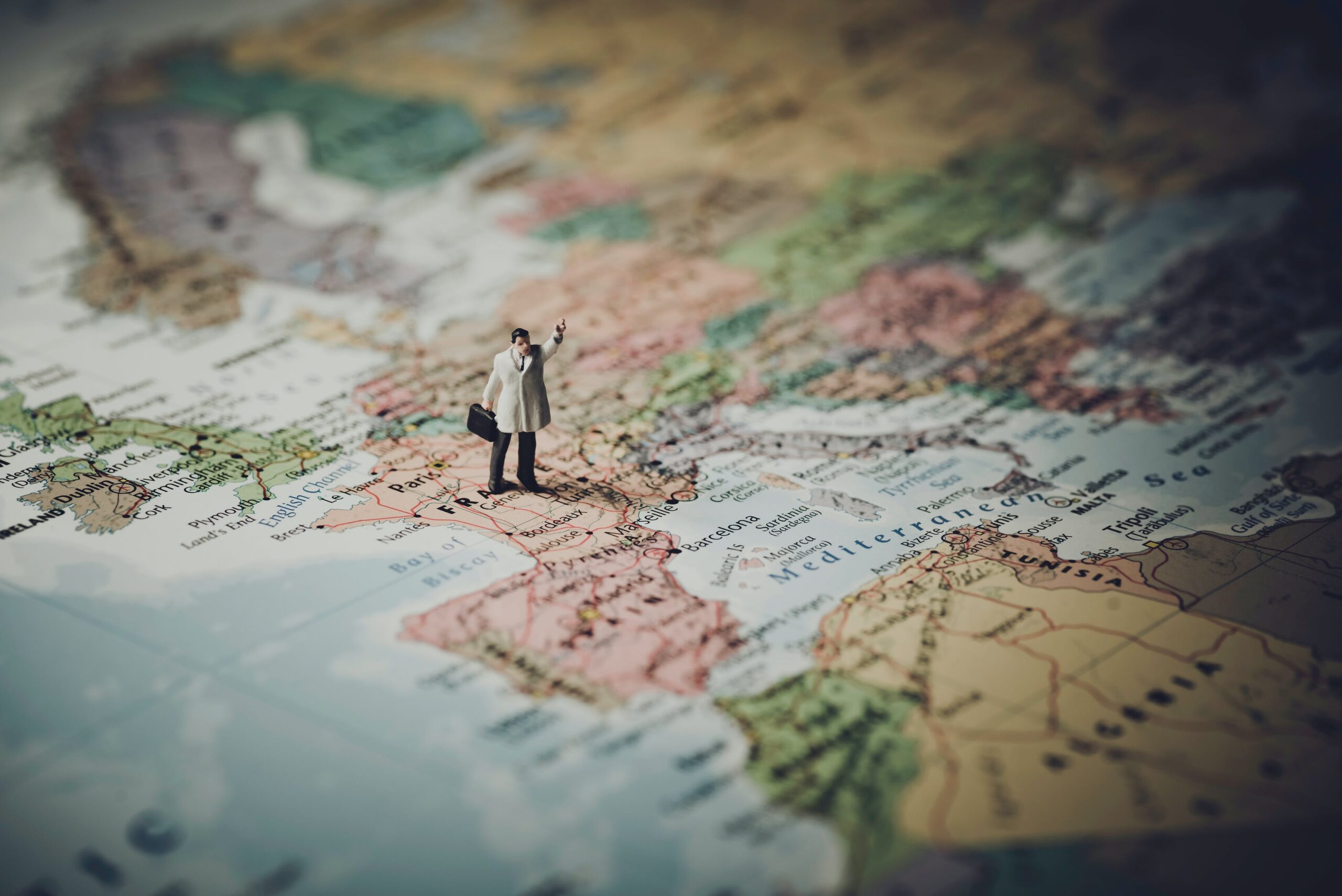
Since the last Report on the Situation in North Africa distributed to the Eurodefense Associations in November 2017, there has been some developments in the region worth analysing, because what happens in North Africa affects to Europe. Critical signs of latent instability continue to develop across North Africa. Although mistakes have been made, Western actors can adopt policy options to mitigate further damage. Continuing to ignore the signs or postponing action to address them could have devastating consequences for the entire Mediterranean region and beyond.
Une défense européenne digne de ce nom se doit de garantir la sécurité de ses citoyens où qu’ils se trouvent, de protéger ses infrastructures et de défendre ses intérêts partout dans le monde. Or, peu d’Etats ont la capacité de répondre seuls à l’ensemble des besoins de défense. La complémentarité au niveau européen s’impose. Par l’association EuroDéfense-France, tribune collective.
Eurodéfense-France publishes quarterly newsletters in French and in English.
Tribune. Responsabilité régalienne par excellence des Etats, la souveraineté ne saurait se dissocier de la puissance. Qu’est la souveraineté sans la puissance, quand il faut protéger ses intérêts ? Le monde du XXIe siècle est celui des Etats continents, comme la Chine, la Russie, les Etats-Unis ou l’Inde, plus puissants que chaque Etat européen pris isolément.
The countries that make up North Africa — Morocco, Algeria, Tunisia and Libya — are defined as much by the broad desert expanses of the Sahara and the Atlas Mountains as they are by the waters of the Mediterranean. Wedged between the coastline of the
southern Mediterranean and an ocean of sand, the populations of North Africa have a long history of interaction with Southern Europe, sub-Saharan Africa and the broader Middle East. Current trends within North Africa — challenges to political stability, regional militancy, changes in energy production and in the economy — given their proximity to Europe and to former European colonial holdings in Africa, and the continued economic and security relationships between these regions, makes events in North Africa resonate in regional and Western capitals.
Eurodéfense-France publishes quarterly newsletters in French and in English.
Since the last Report on the Middle East and North Africa (MENA) sent to the Presidents’ Council in March 2017, there have been some developments regarding this region worth pointing out.