
Publications
Publications

Observatory of the Mediterranean Basin: Report to the Lisbon President’s Council

Since the last EURODEFENSE President’s Council, the situation in the Mediterranean Basin has not improved neither politically nor economically. The COVID-19 pandemic has aggravated the difficulties that the people in the region are facing. The EU continues to pay great attention to the region, but its political influence remains limited, even though it continues to allocate substantial resources to cooperation with its southern neighbors.

Newsletter of EuroDefense-Portugal – N5 MAI2021

The monthly publication of the EuroDefense-Portugal Newsletter, with content in Portuguese and the language in which the original articles were published, aims to bring to everyone’s attention the opinions of some experts on European Security and Defence, and on the issues that have marked the current month in Portugal, Europe and the world.

OTAN 2030: Vers une évolution majeure?

L’avenir de l’Organisation du Traité de l’Atlantique Nord (Otan) suscite de nombreuses interrogations. À l’instigation des chefs d’État et de gouverne- ment visant à renforcer la dimension politique de l’Alliance atlantique, le secrétaire général de l’Otan Jens Stoltenberg a réuni un groupe de réflexion qui a rendu son rapport le 25 novembre 2020. Ses conclusions seront matière à réflexion pour les prochaines réunions ministérielles et les sommets de l’Otan.

Une Ostpolitik renouvelée? Visions depuis l’Allemagne et la France

Faut-il à nouveau une Ostpolitik (une politique orientale) ? En Allemagne, certains plaident en ce sens, ainsi un ancien dirigeant politique issu de la SPD, Matthias Platzeck, dans un livre paru en 2020. Nombreux sont cependant ceux critiquant l’appel du Président français à un dialogue stratégique avec la Russie. Le débat est ouvert. L’université de Bonn et l’Institut français ont organisé en novembre 2020 une table ronde sur ce sujet : « Avons-nous besoin d’une Ostpolitik 2.0 ? Visions depuis l’Allemagne et la France ». Il est intéressant d’envisager ces deux visions.

Défense de l’Union Européenne: Enfin une réalité?

Depuis 2014 et l’annexion de l’Ukraine par la Russie, les initiatives en faveur de la défense de l’Union européenne se sont multipliées, au point que selon certains observateurs cette défense aurait fait plus de progrès en six ans qu’en cinquante. Cela reste à voir. Pour l’instant ces initiatives semblent manquer de cohérence et si les acronymes se sont multipliés, les capacités sont restées inchangées. C’est pourquoi un premier bilan s’impose afin d’identifier les obstacles qui se dressent sur la route d’ une “Union européenne de défense” et d’envisager comment les contourner.

Turkey and the EU: A difficult but critical relationship

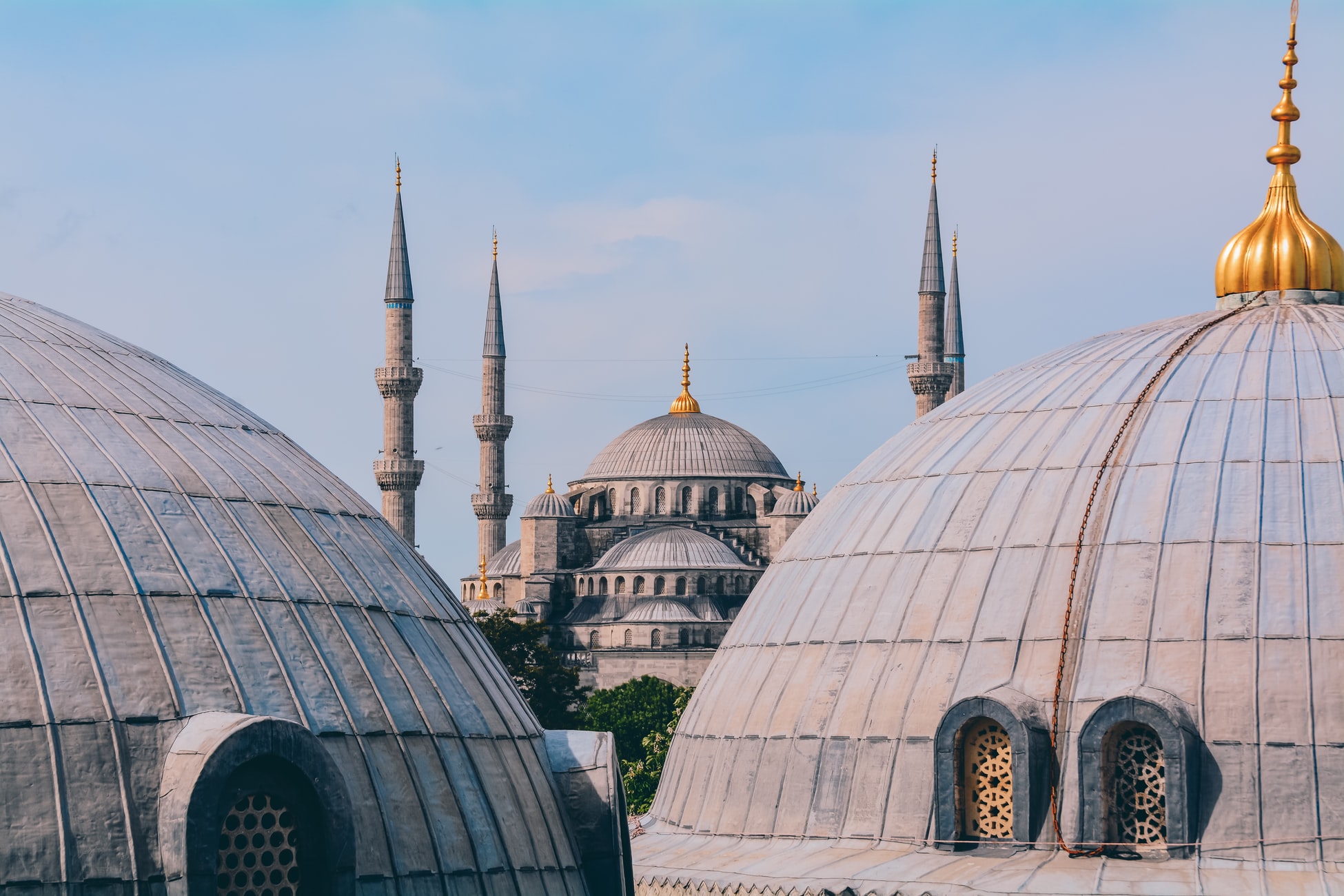
On April 7, 2021, the European Union and Turkey held a meeting in Ankara at the highest level. The Turkish side was headed by President Recep Tayyip Erdoğan and the EU by the President of the European Council, Charles Michel and the President of the Commission, Ursula Von der Leyen. At the end of the meeting at the Presidential Palace, the leaders moved to a living room where Erdoğan and Michel sat in two chairs flanked by the Turkish and EU flags, while Von der Leyen was left standing. After some hesitation, she sat on a side sofa, just like the Turkish Foreign Minister Mevlut Çavusoglu, who took seat on a sofa on the opposite side. According to the chief of Protocol of Mr. Michel, Dominique Marro, it was thanks to Michel’s intervention that Von der Leyen was not seated on a side chair during the luncheon and was not excluded from the official photo of the meeting.