Publications
Publications

“L’Europe : ni un État ni un empire” Plus qu’un État, plus qu’un empire ?

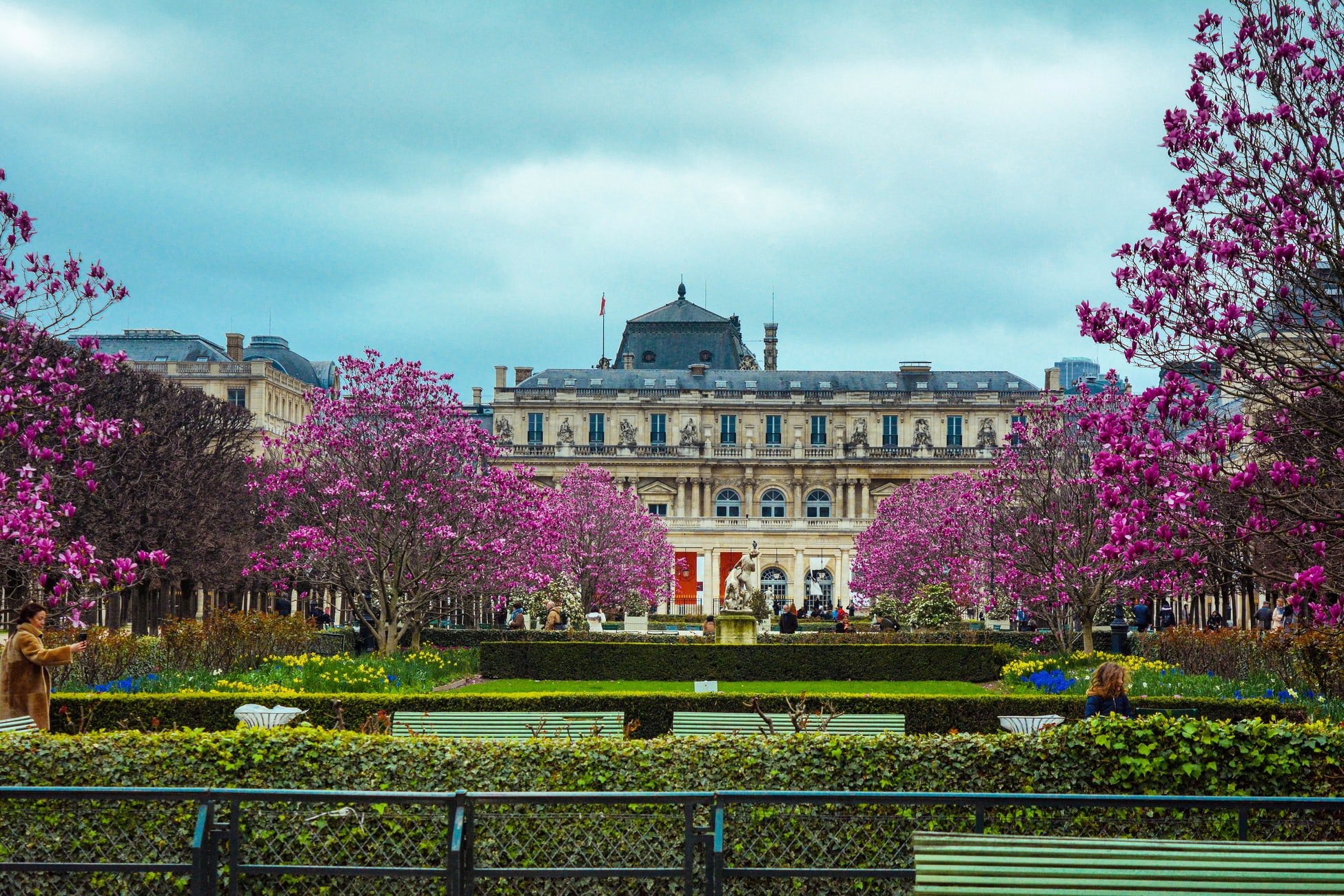
Jean-Dominique Giuliani, le président de la fondation Robert-Schuman, a publié dans la presse nationale, il y a peu, un article intitulé “L’Europe : ni un État ni un empire”. C’est très juste. Poursuivons la réflexion. Par Cyrille Schott, préfet (h.) de région, ancien directeur de l’Institut national des hautes études de la sécurité et de la justice (INHESJ), membre du bureau d’EuroDéfense France.

« L’armée européenne pourra se faire » pour Jean-Paul Perruche

Entretien Jean-Paul Perruche, général de corps d’armée, ancien directeur général de l’état-major militaire de l’Union européenne revient sur l’idée d’une armée européenne dans le cadre du colloque « Quelle défense en Europe, 30 ans après la chute du mur ? », au Sénat, coorganisé par la Fondation Robert Schuman et l’association EuroDéfense dont La Croix est partenaire.

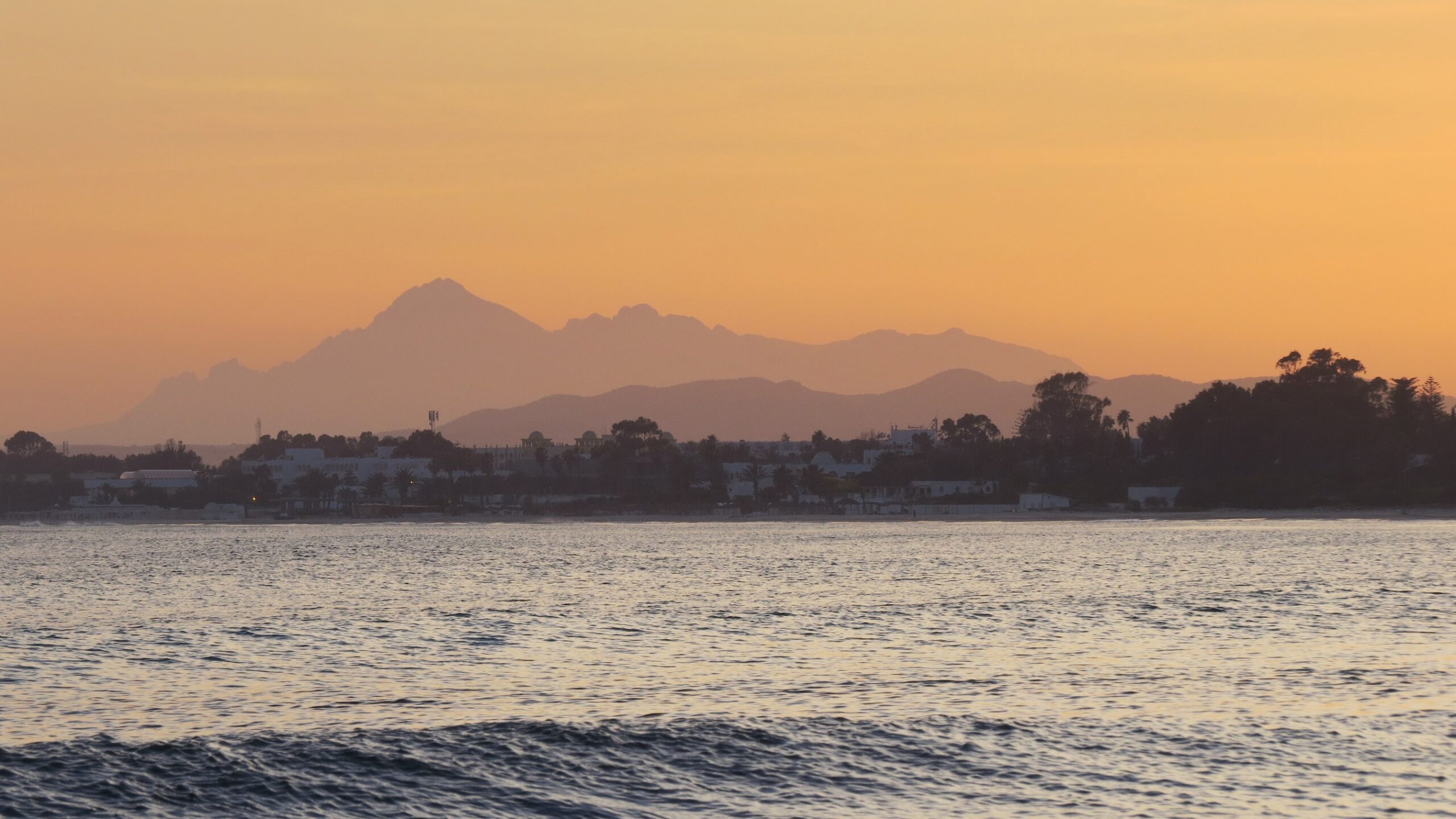
Mediterranean Observatory – The European Southern Border

The outlying regions of the Maghreb in the south, within the Sahara Desert, are part of the old commercial routes along the Sahara and constitute economic spaces with shared identities and are distant sides of national territory. Since independence, the region’s states have devoted the economic development and investment in their coastal centres, leaving vast interior regions and borderlands forgotten and marginalized.

The Arctic Ocean: a European perspective

Recent unexpectedly rapid melting of Arctic Ocean sea ice has captured the public imagination and created the impression of a „Race for the Arctic“. Beneath the heightened political rhetoric, national posturing and media hype about unresolved territorial claims, huge hydrocarbon resources and disappearing polar bears lies a complex and dynamic picture of disputed science, with inadequate data and unreliable predictions and increasing volatility in the energy market that is not
conducive to long term investment.

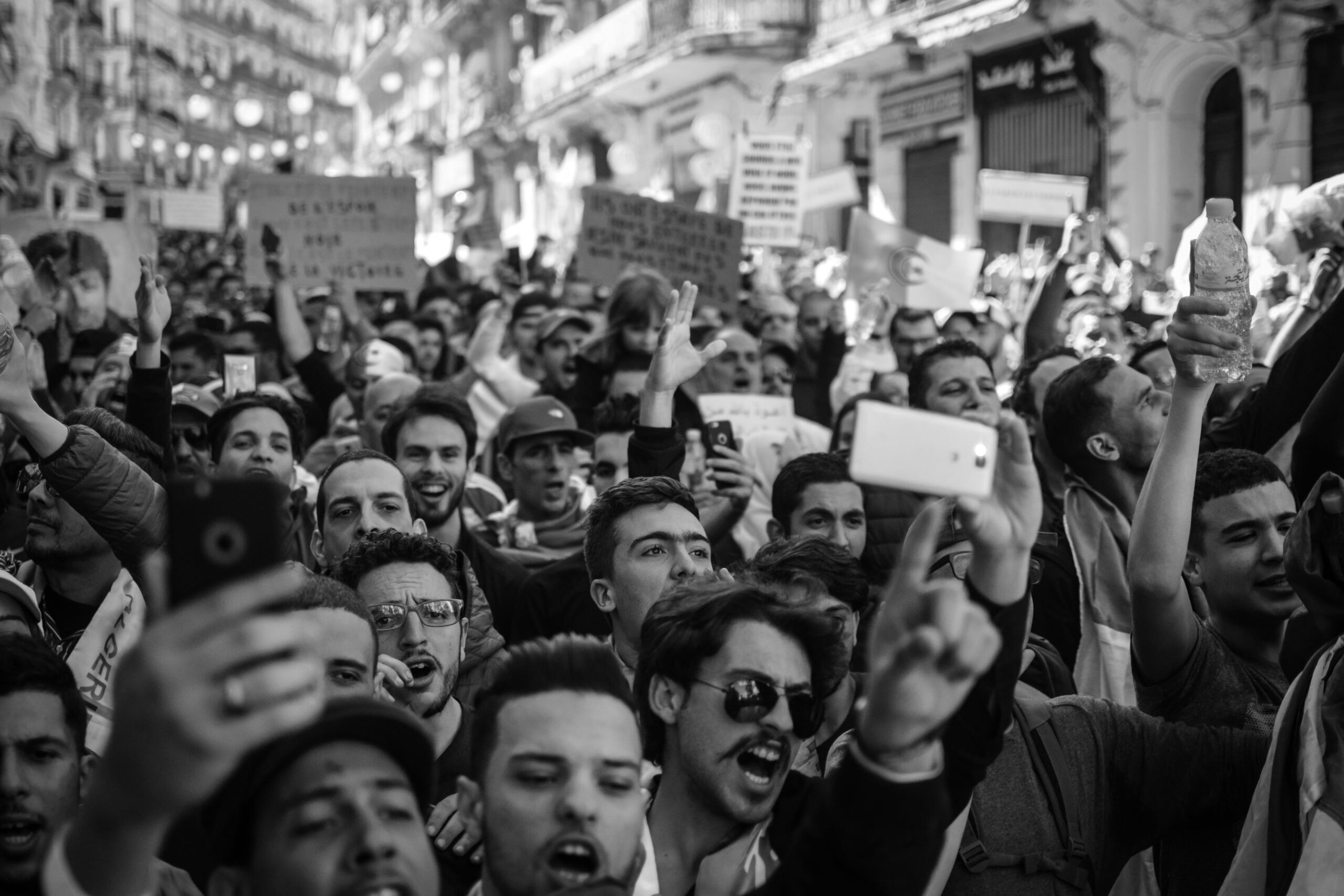
Mediterranean Observatory – Early Warning: Algeria

Algeria is undergoing a transformation that might lead either to a true political transition or simply to a change of regime. Since the departure of Bouteflika, the regime’s margin to manoeuvre has increased a bit, but the people seem to believe that the president’s resignation was a way for his clan to gain time to install a successor close to it. The ruling powers are still in control and they do not want to hand over the power to the new Algerian generation until they will be satisfied with a compromise candidate. In the background the Algerian Army is protecting its unrelenting political dominance.